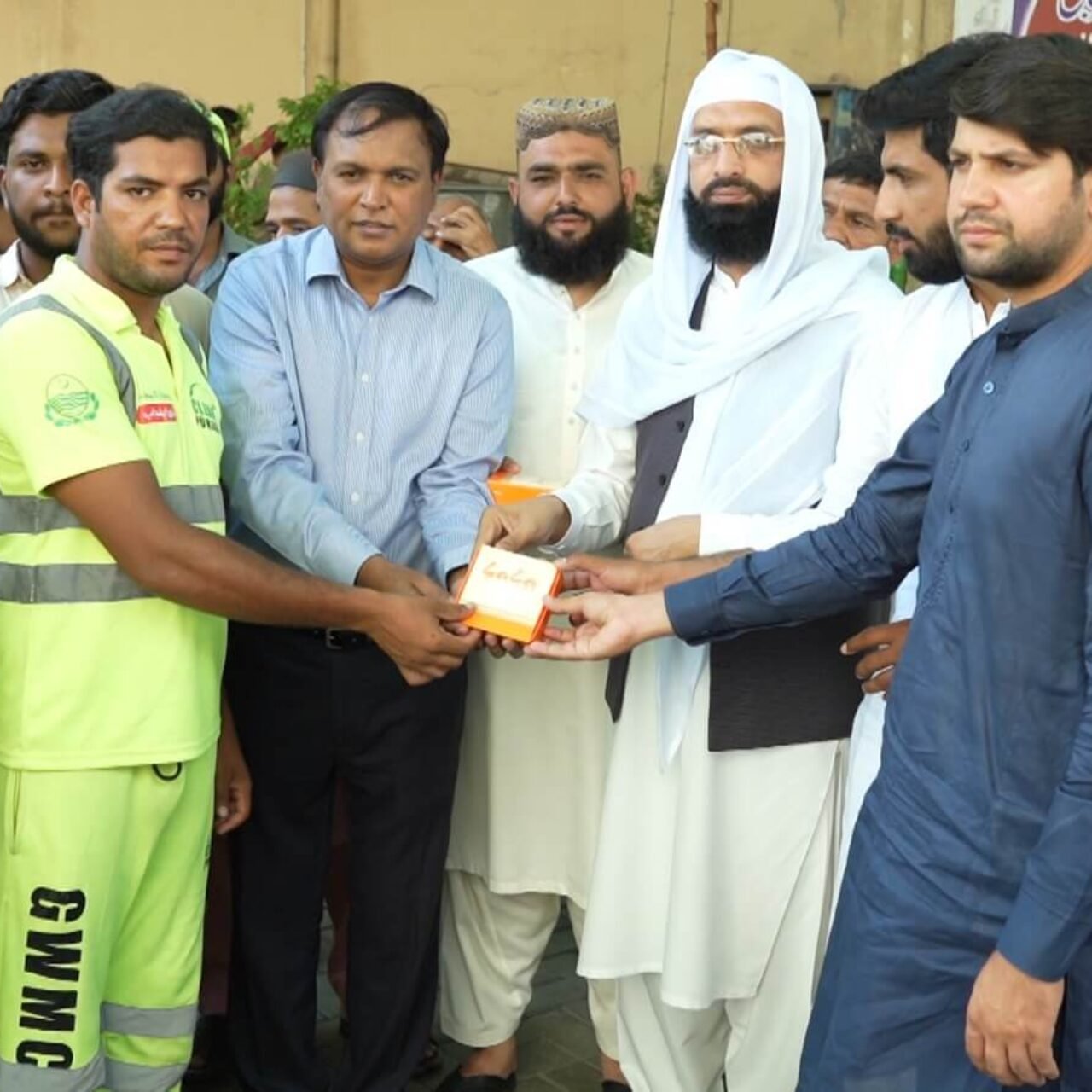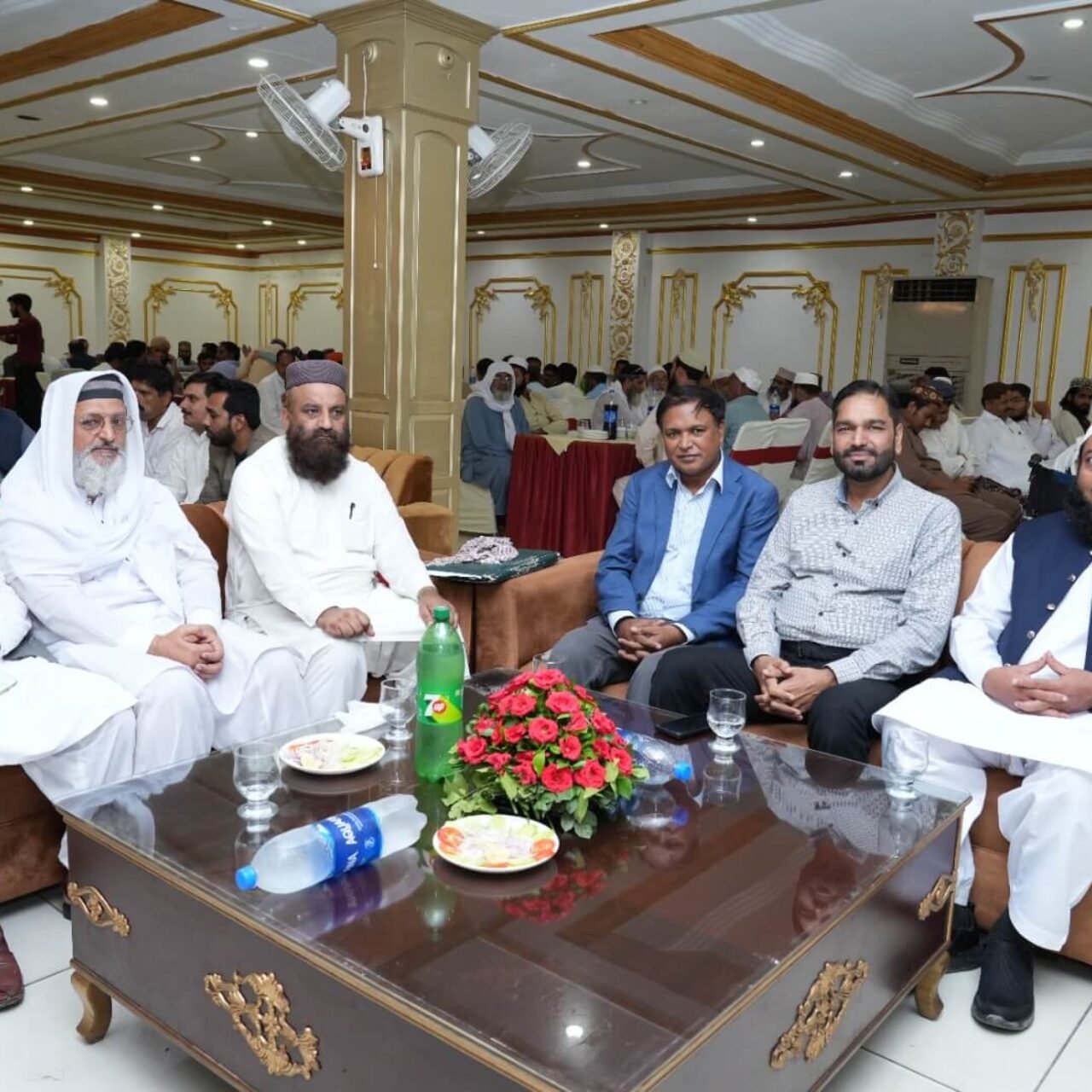
Sharing Happiness: A Symbol of Christian-Muslim Harmony
Mr. Shahzad Lawrence, Member District Peace and Interfaith Harmony Committee, congratulated Mr. Munawar Hussain, Director, Information Department, on the successful performance of Umrah on 7th day of September 2026 at his office here in Gujranwala.
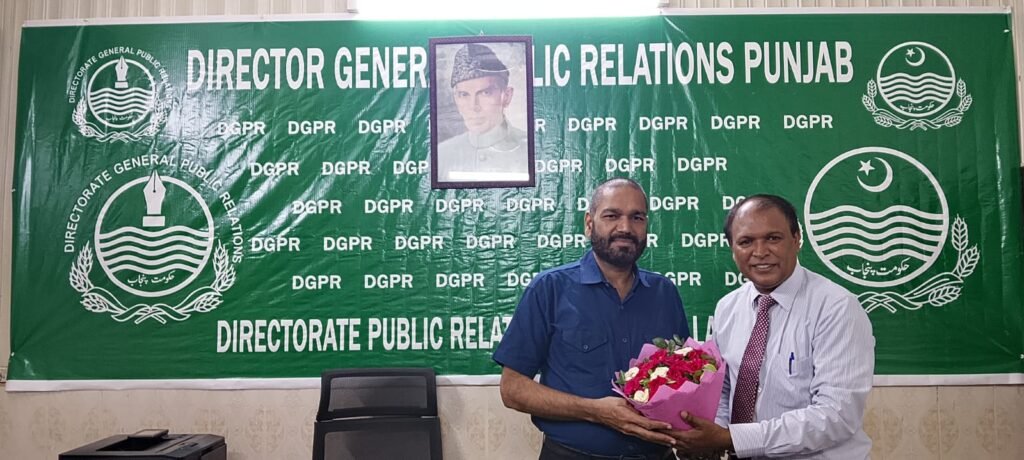
Sharing in one another’s joys and important occasions is a cherished tradition in Asian culture. Visiting the House of Allah and performing Umrah is a great blessing and a matter of good fortune. Expressing these views, Mr. Shahzad Lawrence said that mutual respect, sharing in each other’s happiness,
compassion, and cooperation are among the key factors that strengthen religious harmony and social relationships in Pakistan. He emphasized that congratulating and participating in the happiness of people belonging to other faiths is not merely a social courtesy; it is a practical expression of respect, goodwill, and peaceful coexistence.
He further stated that Christian-Muslim relations at the grassroots level are particularly important in the present circumstances. Pakistan is a diverse society
where people of different faiths live, work, study, and interact with one another on a daily basis. Strong relationships between Christian and Muslim communities can help build trust, reduce misunderstandings, discourage prejudice, and create an environment where differences of faith are respected without becoming barriers to social cooperation.
According to Mr. Lawrence, interfaith harmony does not only depend on formal conferences or official statements. It is built through everyday human relationships—visiting one another on occasions of happiness and grief, extending congratulations, offering support in difficult times, respecting religious practices, and working together for the welfare of society.
He highlighted that Christian-Muslim friendship is especially significant in the current social environment, where intolerance, misinformation, social polarization, and misunderstandings can sometimes create unnecessary divisions among communities. Positive personal interaction and sincere engagement
between ordinary citizens can serve as a strong foundation for peace and social stability.
He expressed the view that Muslims and Christians share many common human values, including compassion, service to humanity, respect for family, care for the needy, and the pursuit of peace. Strengthening these common values at the community level can contribute significantly to a more peaceful, inclusive, and
cohesive Pakistan.
Mr. Shahzad Lawrence concluded that respect for one another’s faith does not require compromising one’s own religious identity. Rather, it means recognizing
the dignity of every human being and promoting an atmosphere in which people of different religions can live together with mutual respect, trust, cooperation, and brotherhood.