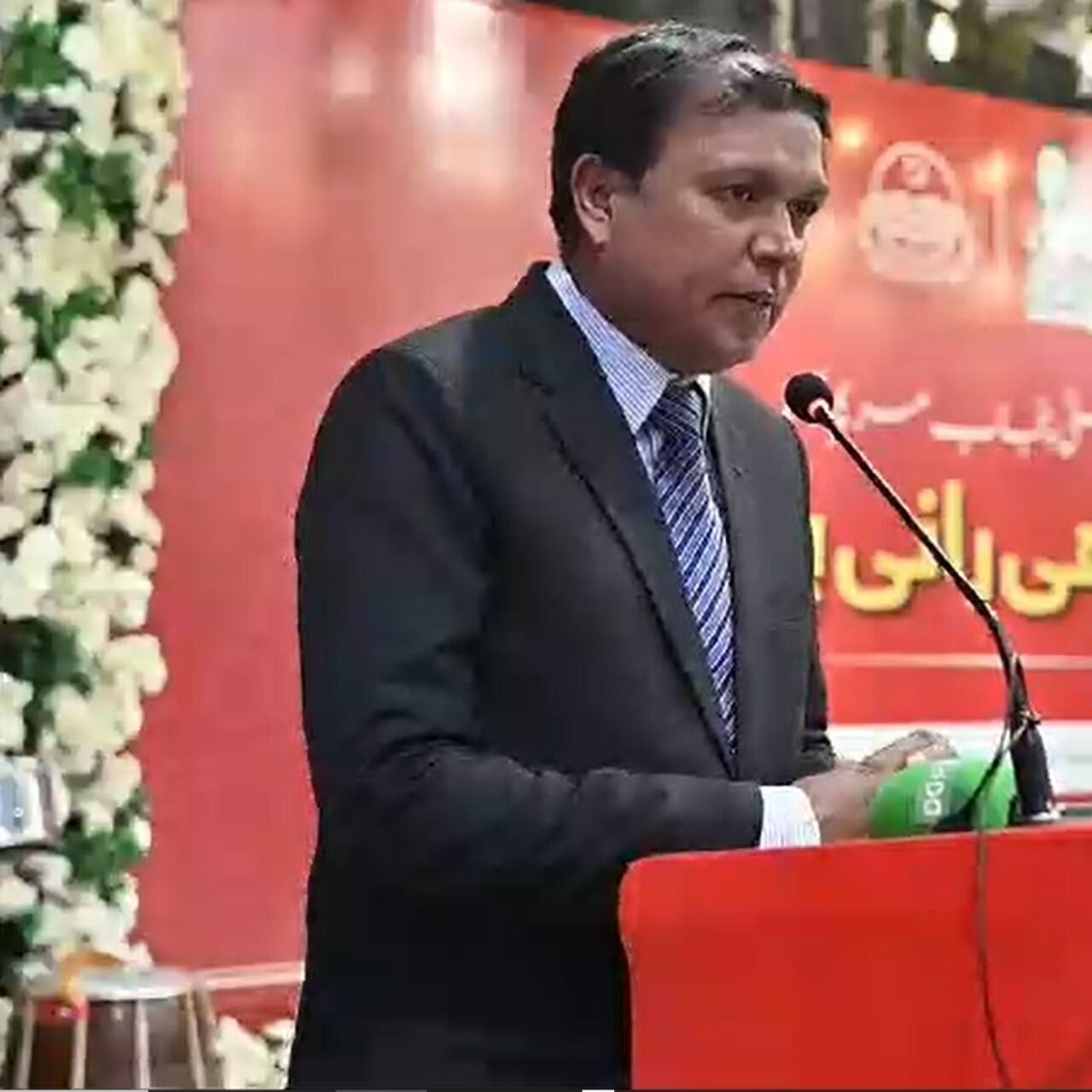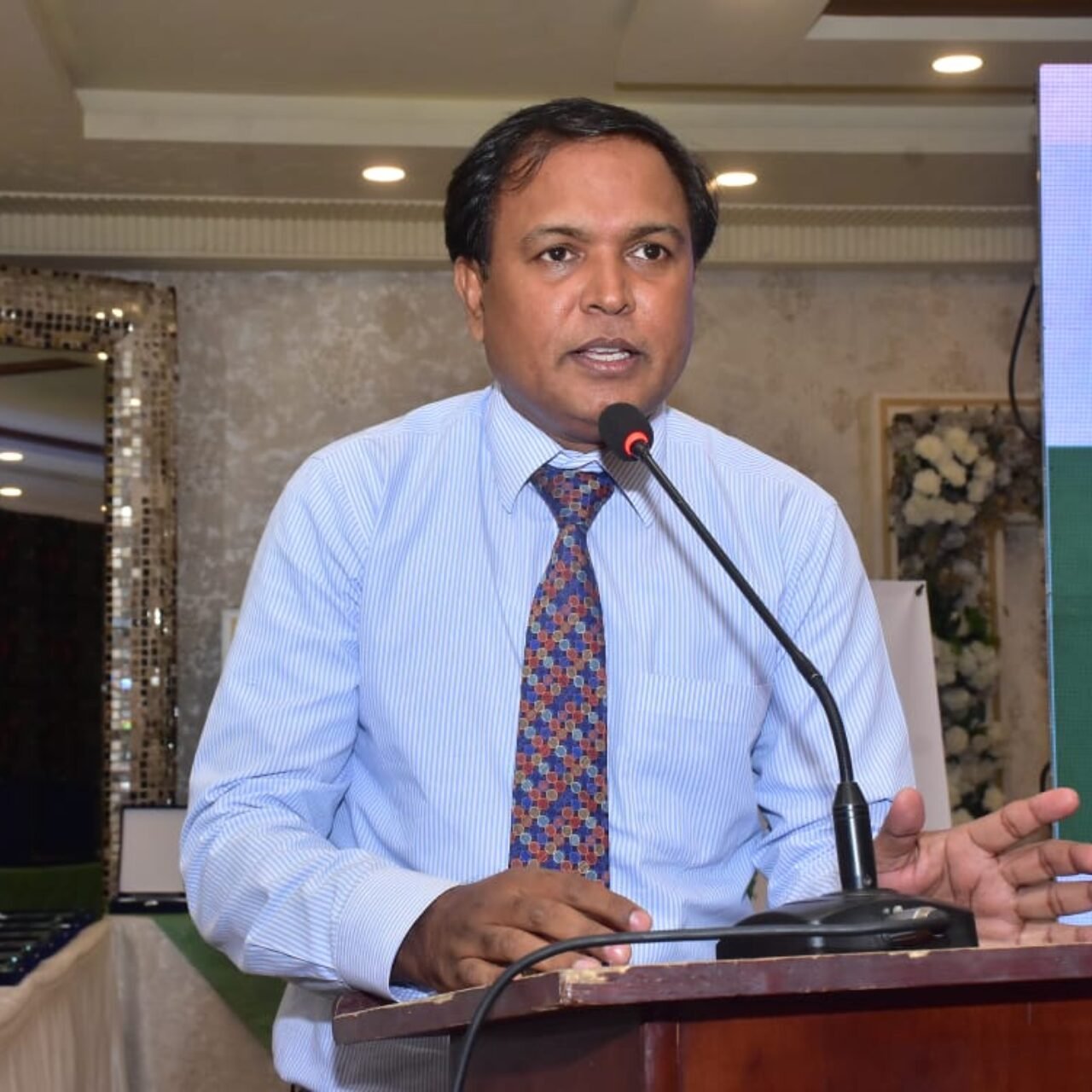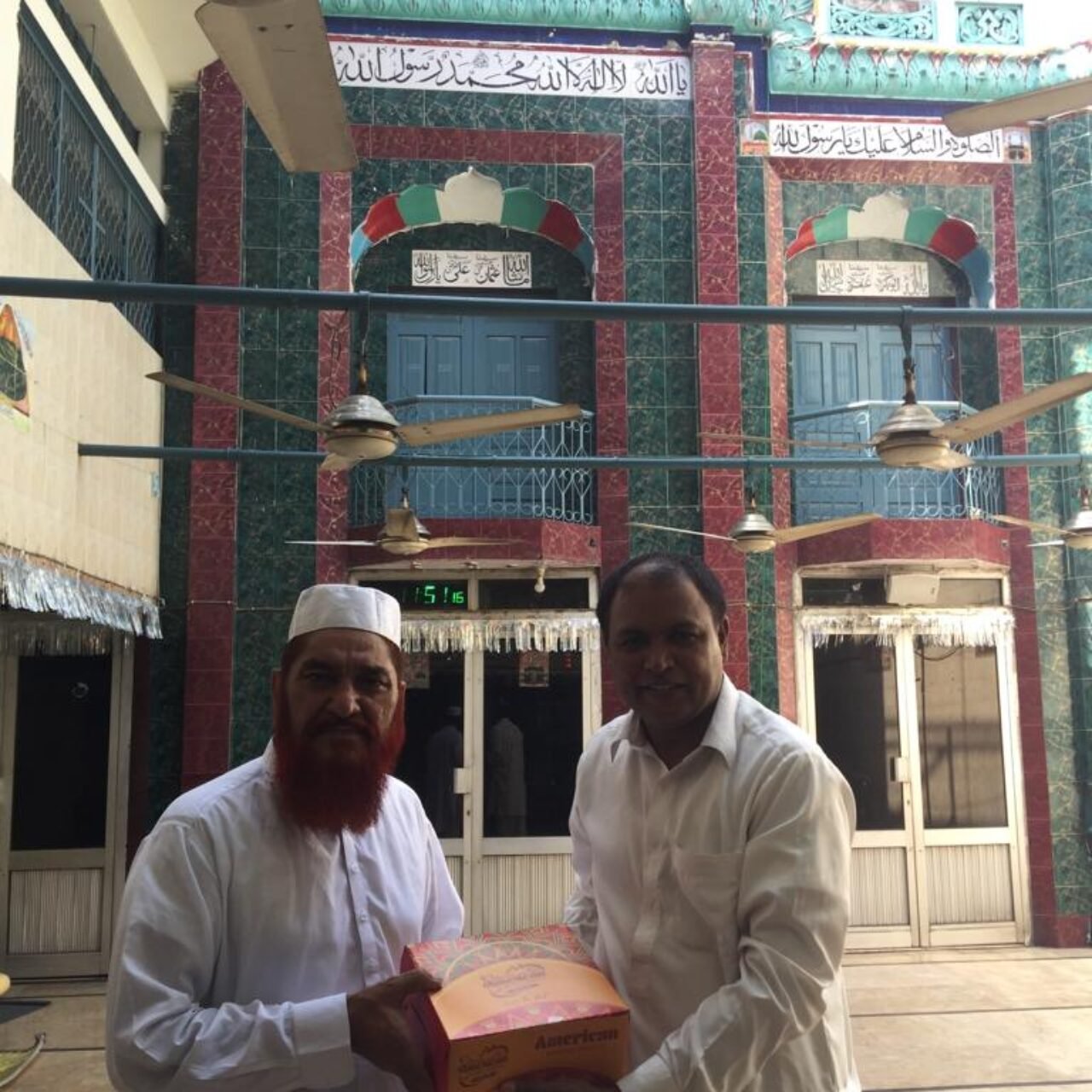
Training Session of Religious Scholars Held under Paigham-e-Pakistan Vision
The session was designed to equip religious scholars and community influencers with practical tools to counter extremism, discourage hate narratives, and promote peaceful coexistence at the grassroots level. Participants discussed the shared values of humanity, respect, and compassion found in all religions, emphasizing that peace is a collective responsibility rather than the duty of any single group.
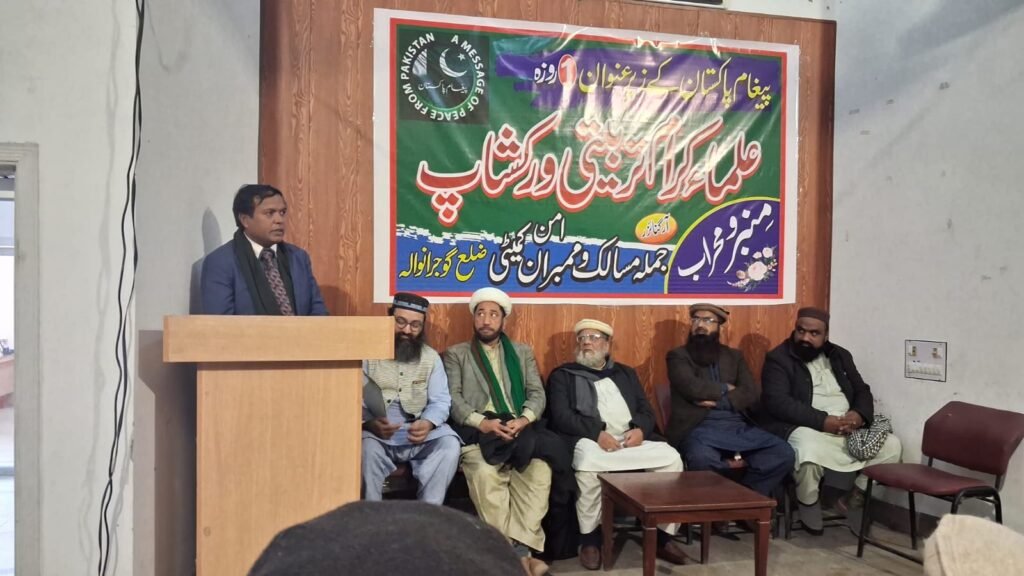
A training session of religious scholars and community influencers was successfully organized on 24th January at the E-Library Hall under the national vision of Paigham-e- Pakistan, which aims to promote peace, tolerance, and harmony among different faiths and segments of society. The program brought together members of the District Peace Committee, renowned Muslim religious scholars, and respected Christian pastors, reflecting a strong spirit of interfaith collaboration.
Prominent members of the District Peace Committee highlighted the importance of dialogue and mutual understanding in addressing social challenges. Religious scholars from different schools of thought shared insights on how misinterpretation of religious teachings can lead to conflict, while correct understanding fosters unity and social stability. Christian pastors also shared their experiences of working for peace and harmony, stressing the need for continued engagement between faith communities.
Mr. Shahzad Lawrence, a respected member of the District Peace Committee, emphasized the critical role of peace and interfaith harmony in maintaining a stable and secure environment. He stated that religious leaders and community influencers hold moral authority in society, and their positive guidance can significantly reduce mistrust and intolerance. He further stressed that platforms like Paigham-e-Pakistan provide a unified national narrative against extremism and promote respect for diversity.
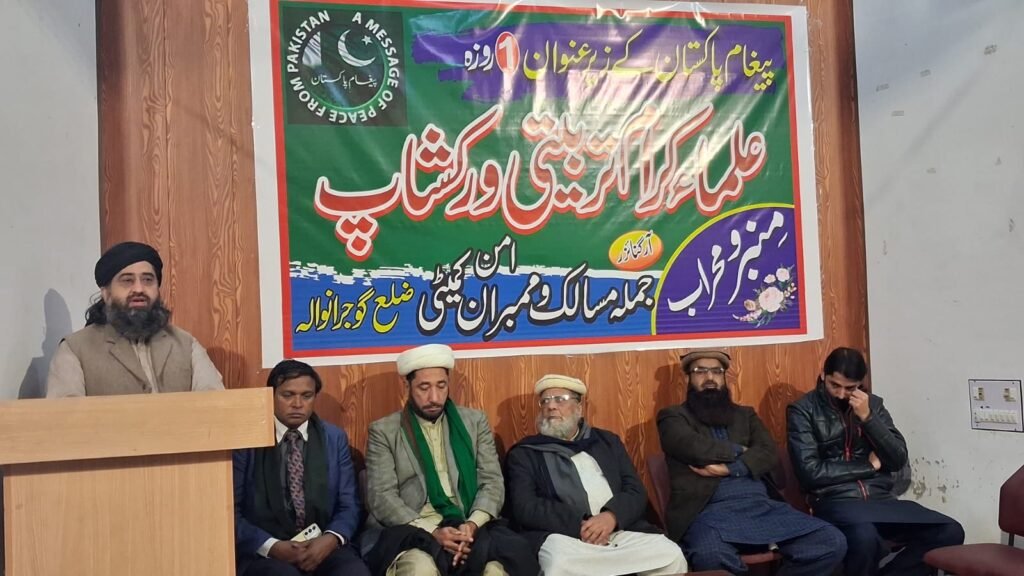
The importance of this training session lies in its proactive approach to peacebuilding. By engaging religious scholars and community leaders, the program strengthened networks of trust and cooperation among different faiths. Such initiatives help prevent conflicts before they arise and encourage peaceful problem-solving through dialogue.
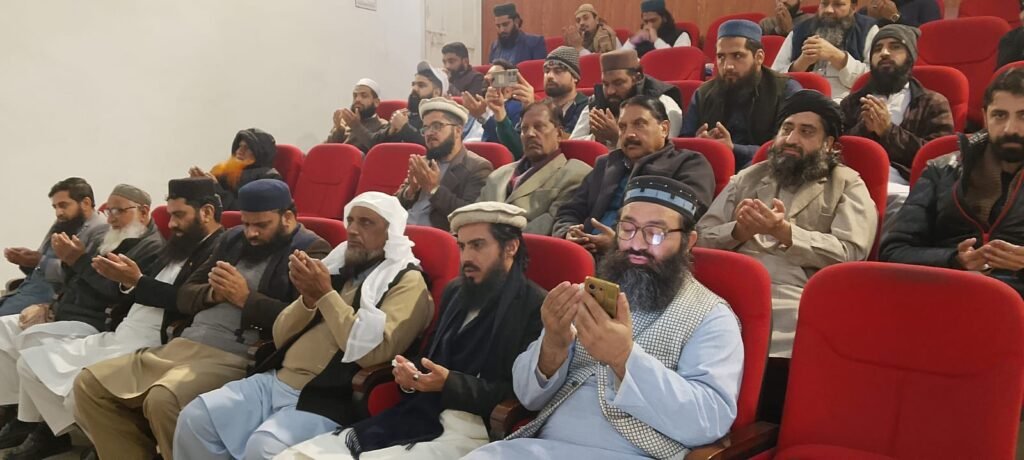
The possible outcomes of this program include enhanced interfaith cooperation, reduced religious misunderstandings, and stronger community resilience against extremist ideologies. Participants are expected to transfer the knowledge gained to their respective communities, sermons, and social interactions, thereby multiplying the impact of the session. In the long term, such efforts contribute to social cohesion, religious tolerance, and sustainable peace in the district and beyond.
The meeting focused on the promotion of intra-sect harmony and interfaith understanding, emphasizing unity within religious sects and mutual respect among different religions. Participants discussed the importance of dialogue, tolerance, and cooperation to counter misconceptions and prevent conflicts. Religious scholars and community influencers highlighted shared moral values and the responsibility of faith leaders to promote peace at the grassroots level. The session encouraged constructive engagement, peaceful coexistence, and collective efforts to strengthen social cohesion. Such initiatives play a vital role in fostering trust, reducing sectarian and religious tensions, and creating a stable, inclusive, and peaceful environment in society.
Overall, the training session under the Paigham-e-Pakistan vision proved to be a meaningful and impactful step toward building a harmonious and peaceful society.